BMW 3 Series: The 2026 Full Redesign, Including the Electric i3
The BMW 3 Series enters a transformative era with its 2026 redesign, code-named G50 for the internal-combustion models and NA0 for the all-electric i3 variant. This eighth-generation sports sedan upholds the “Ultimate Driving Machine” ethos while embracing electrification on BMW’s Neue Klasse platform for the EV.
With sharper styling, advanced tech, and powertrains ranging from efficient hybrids to potent V8s and long-range electrics, the 2026 lineup aims to dominate against rivals like the Mercedes C-Class, Audi A4, and Tesla Model 3. Deliveries begin late 2026, with the i3 potentially leading the charge as BMW shifts Munich production to EVs.
A Brief History: Evolution to Electrification
Since 1975, the 3 Series has sold over 15 million units as BMW’s core model. The current G20 (2019-2025) refined dynamics and tech; the 2026 redesign splits paths: Traditional engines on an updated CLAR platform for G50, while the i3 pioneers Neue Klasse with cylindrical batteries and 800-volt architecture for superior efficiency.
Exterior Design: Bold and Futuristic
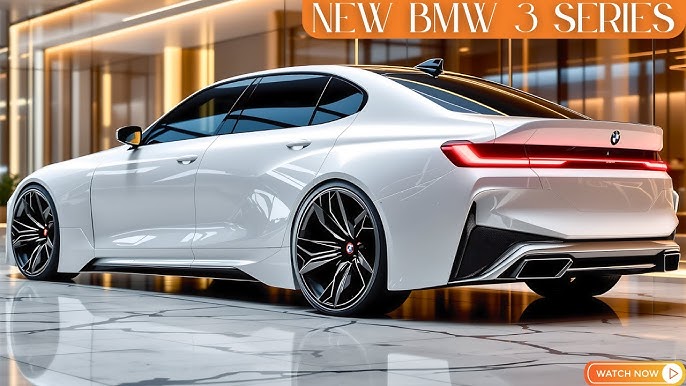
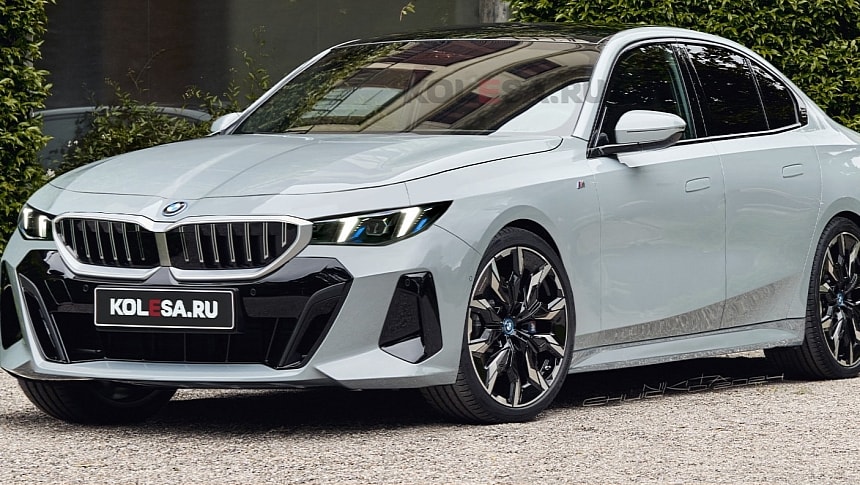
Spy shots and renderings reveal a radical redesign: Slimmer headlights, wider grille, sharper creases, and pulled-forward fenders for a more athletic stance. M Sport packages add aggressive bumpers and larger wheels. The i3 variant features aerodynamic tweaks like flush handles and a closed grille for up to 30% better efficiency.
Interior and Technology: Premium and Connected
Expect a driver-focused cabin with Merino leather, open-pore wood, and M Sport seats with power bolsters. A curved display combines a 14.9-inch infotainment and 12.3-inch cluster running iDrive 9, with AR navigation and OTA updates. The i3 adds sustainable materials and a central processor for driving functions.
Powertrains: From Gas to Full Electric
- Gas and Hybrid (G50): Inline-four and six-cylinder turbos, with mild-hybrid tech for efficiency. Top M3 models retain high-output engines; expect 400-500+ hp in performance variants.
- Electric i3 (NA0): Single-motor (RWD) with 550-625 km CLTC range (~340-390 miles EPA est.); dual/tri-motor AWD options. 800V system enables 175 miles in 15 min charging; bidirectional capability. Up to 800 km WLTP in top configs.
Performance and Efficiency
Gas models promise athletic handling with adaptive suspension; i3 targets Tesla-beating range (more than Model 3’s 363 miles) and quick acceleration (sub-5 sec 0-60 est. for AWD). Fuel economy: Hybrids ~40-50 mpg; electrics emphasize real-world usability.
Safety Features
Standard iDrive safety suite: Adaptive cruise, lane centering, automatic emergency braking. Neue Klasse adds enhanced sensors for Level 3 autonomy potential.
Pricing and Trims
Gas 3 Series starts ~$45,000; M models $70,000+. i3 from ~$50,000, qualifying for incentives. Trims: Base, M Sport, M3; i3 with Standard/Long Range/Performance.
| Trim Level | Powertrain | Est. Starting Price | Key Features |
|---|---|---|---|
| 330i | Gas | $45,000 | Turbo four, RWD/AWD |
| M340i | Gas/Hybrid | $60,000 | Inline-six, performance suspension |
| i3 Standard | Electric | $50,000 | 300+ miles range, single motor |
| i3 M | Electric | $70,000+ | Dual motors, sport tuning |
Pros and Cons
Pros:
- Iconic driving dynamics with modern efficiency.
- Class-leading EV range and charging.
- Premium cabin and tech.
Cons:
- Higher pricing for electrics.
- Potential loss of manual in gas models.
- Design polarizing per early feedback.
Final Thoughts
The 2026 BMW 3 Series redesign, especially the electric i3, signals BMW’s EV pivot while preserving performance heritage. With superior range, tech, and dynamics, it’s poised to redefine the segment—ideal for enthusiasts transitioning to electric. Watch for official reveals soon; this could be BMW’s most exciting 3 Series yet.