The 2026 Nissan Maxima Electric Sedan: A Dream Deferred?
The Nissan Maxima has long been a staple in the American automotive landscape, known for its sporty performance and luxurious features since its debut in the 1980s. For years, enthusiasts whispered about a potential revival of this iconic nameplate as an all-electric sedan, poised to blend Nissan’s heritage with the growing demand for EVs in the U.S. market.
Rumors peaked around the idea of a 2026 model year launch, promising an electric powerhouse that could rival the likes of the Tesla Model 3 or Hyundai Ioniq 6. However, as of late 2025, those plans have hit a roadblock.
What Was Envisioned for the Electric Maxima
Initially, Nissan teased the concept of an electric Maxima through prototypes like the 2019 IMs concept, a sleek, all-wheel-drive EV sedan that showcased futuristic design and advanced tech. This concept featured a “Premier” rear seat for ultimate comfort, hinting at a premium positioning in the market.
Speculation suggested the 2026 Maxima would borrow heavily from the Nissan Ariya SUV’s powertrain and the CMF-EV platform, shared across the Renault-Nissan-Mitsubishi alliance. Potential configurations included:
- Powertrain Options: A front-wheel-drive single-motor setup delivering around 214 horsepower and 221 lb-ft of torque, or a dual-motor all-wheel-drive variant pushing up to 389 horsepower and 442 lb-ft.
- Battery and Range: Battery packs similar to the Ariya’s 63-kWh or 87-kWh options, offering an EPA-estimated range of up to 289 miles or more in efficient trims.
- Charging: DC fast-charging capabilities at up to 130 kW, allowing an 80% charge in about 35-40 minutes.
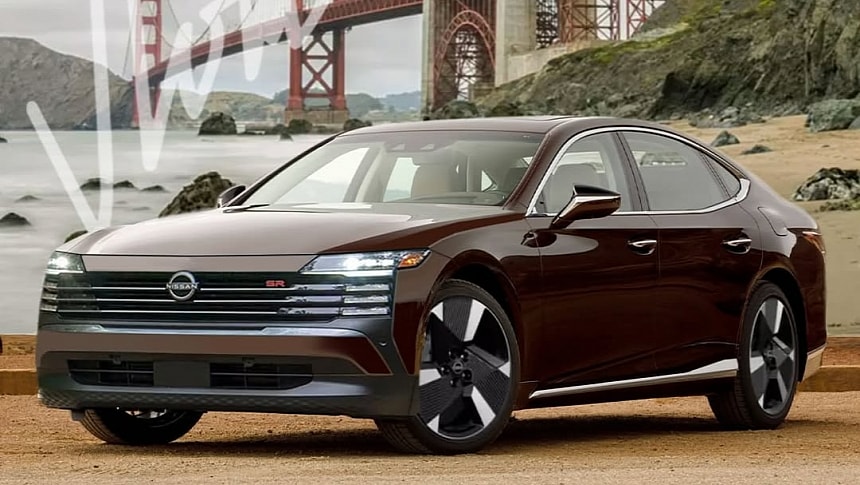
- Design and Features: Athletic styling with a sporty silhouette, dual 12.3-inch screens for infotainment and driver display, wireless Apple CarPlay/Android Auto, ProPilot Assist for semi-autonomous driving, and premium amenities like ambient lighting and a high-end audio system.
Pricing estimates floated around $44,000 for base models, climbing to $61,000 for fully loaded AWD versions with larger batteries—positioning it as a competitive mid-size EV sedan for American buyers seeking luxury without breaking the bank. Artist renders imagined a bold, modern look that could turn heads on U.S. highways.
The Pivot: Why Nissan Pulled the Plug
In a surprising turn in April 2025, Nissan announced the cancellation of its U.S.-bound electric sedan projects, including successors to both the Maxima and Altima. The decision stemmed from the shrinking sedan market in North America, where SUVs and crossovers dominate sales, coupled with lower profit margins on sedans compared to larger vehicles. Instead, Nissan is redirecting resources toward electric SUVs, including a new, unnamed boxy model (codenamed PZ1K) set for production in January 2028 at its Canton, Mississippi plant. An electric Infiniti SUV (PZ1J) will follow in May 2028.
This shift aligns with broader industry trends: Sedan sales have plummeted in the U.S., with consumers favoring the versatility and higher ride height of SUVs. Nissan cited these market dynamics as key factors, opting to bolster its EV lineup with vehicles that better match American preferences. While electric sedans may continue in other global markets, such as those co-developed with Chinese partner Dongfeng, North America won’t see them anytime soon.
Updates since April 2025 confirm no reversal of this decision. In September, Nissan outlined plans for nearly 20 new or refreshed models by spring 2027, emphasizing hybrids and SUVs amid softening EV demand. By October, the company announced plant closures and a focus on cost-cutting, further prioritizing high-volume segments like crossovers.
What’s Next for Nissan EVs in the USA?
Though the Maxima Electric won’t grace U.S. showrooms, Nissan isn’t abandoning electrification. The brand’s current EV offerings include the Ariya crossover and the Leaf hatchback, with an all-new Leaf launching in fiscal year 2025. Looking ahead, delayed electric SUVs like the PZ1K aim to fill the gap, potentially offering rugged, Xterra-like appeal for adventure-seeking Americans. Hybrids are also gaining traction in Nissan’s strategy, providing a bridge for buyers hesitant about full EVs.
For Maxima fans, this cancellation stings, but it reflects the evolving U.S. auto market. Sedans may be fading, but Nissan’s commitment to innovation suggests exciting alternatives on the horizon. If you’re in the market for an EV sedan, options like the Tesla Model 3 or Polestar 2 remain strong contenders. Stay tuned—perhaps a Maxima revival could spark again if market winds shift.